
Sixty years of painting between two homes. Surrealism, trompe-l’œil and radiant geometry — from Beirut and Montreal to collections across Canada, the United States, Europe and the Middle East.
“Nothing is eternal, nothing is complete, nothing is perfect.”
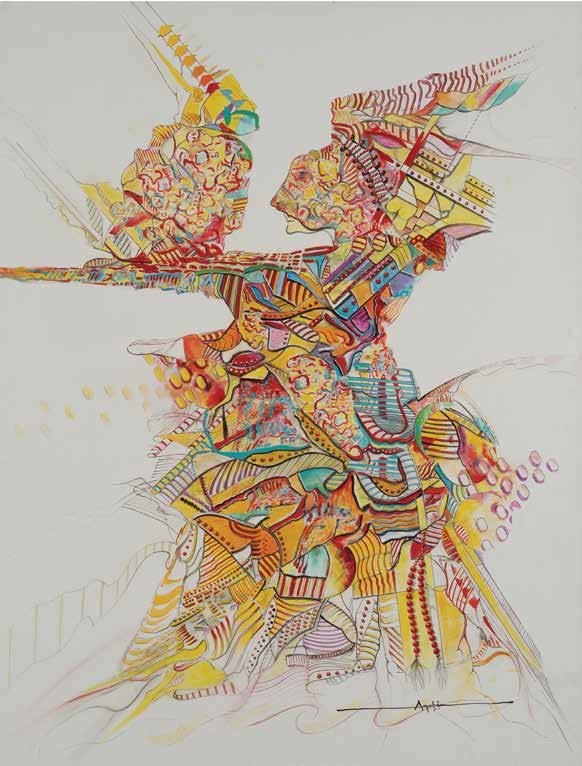
Carnaval series · 2014–2017 · Acrylic on canvas
 SurrealismTrompe-l’œilFruit des dieuxPine treesHandmade paperAlphabetsBeirutMontrealSurrealismTrompe-l’œilFruit des dieuxPine treesHandmade paperAlphabetsBeirutMontrealSurrealismTrompe-l’œilFruit des dieuxPine treesHandmade paperAlphabetsBeirutMontrealSurrealismTrompe-l’œilFruit des dieuxPine treesHandmade paperAlphabetsBeirutMontreal
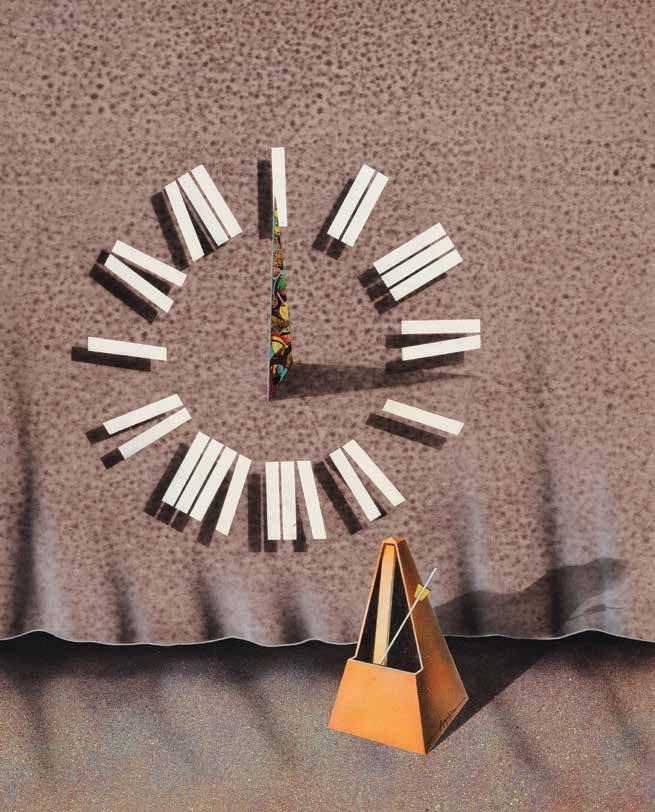
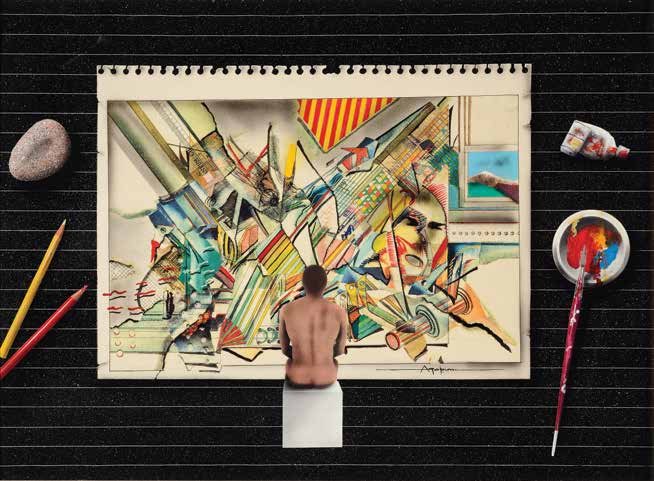
Born in Beirut in 1942 to an Armenian family, Krikor Agopian spent part of his childhood in Jaffa before returning to Lebanon in 1948. In 1963 he moved with his family to Montreal, where he studied design and fine arts at Studio 5316, the Washington School of Fine Arts and Sir George Williams University (now Concordia).
In 1972 he returned to Beirut with his wife, Francine Fontaine, working as a graphic designer and teaching basic design at the Beirut School of Fine Arts, the Académie Libanaise des Beaux-Arts and the Université Saint-Esprit de Kaslik. The war years became one of his most inventive periods. Stranded in Quebec by the fighting in 1989, he turned to handmade paper — a series that brought him a nomination for the City of Laval’s Prize of Excellence. Today he divides his time between Montreal and Beirut.
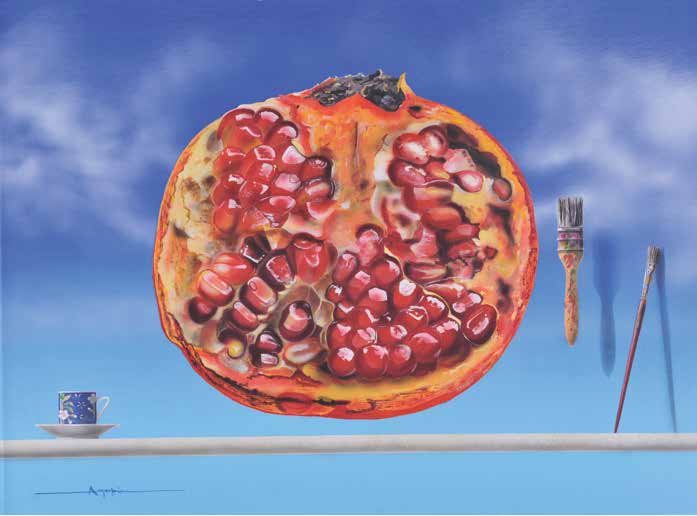
The pomegranate, Armenian symbol of Eden, floating in impossible trompe-l’œil spaces.
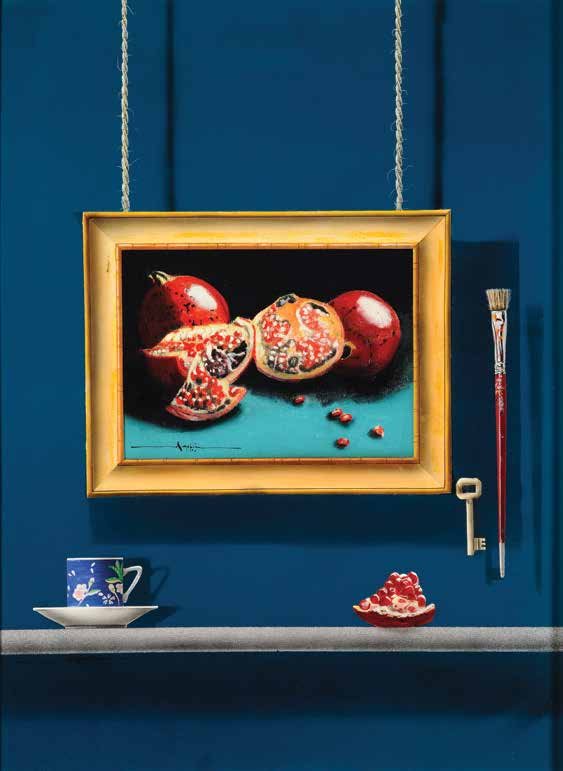
Torn canvases, frames within frames and the mirage of appearances.
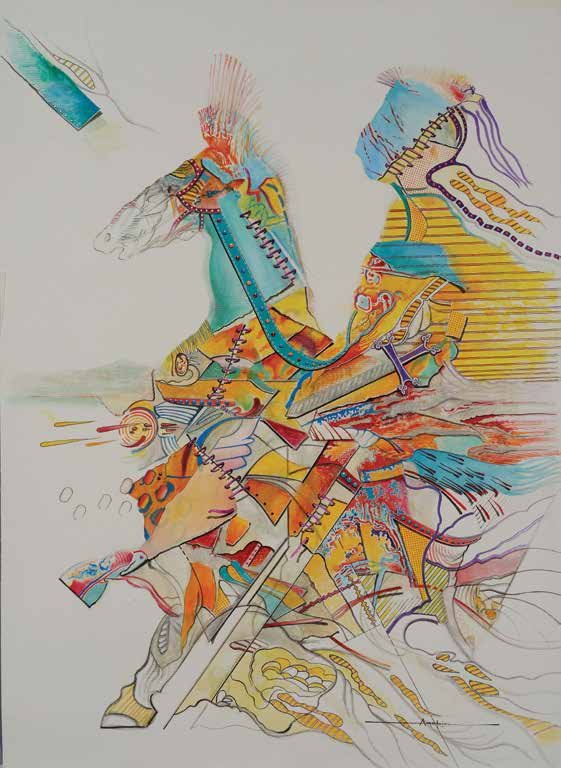
Musicians, dancers and riders built from radiant lines and patterns.
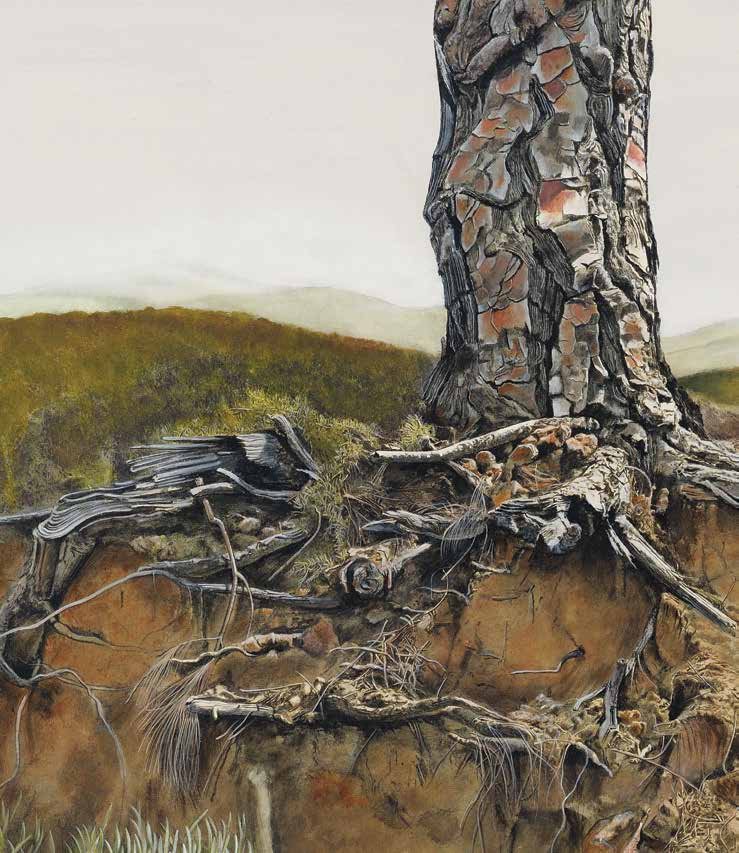
Hyperrealist pines and exposed roots: witnesses of a vanishing Lebanon.
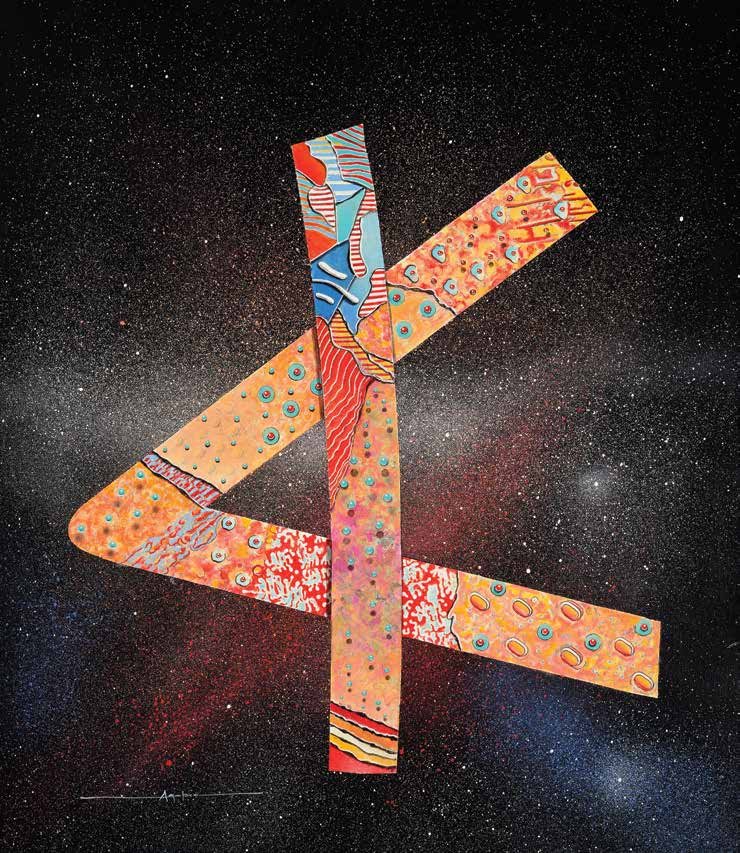
Armenian, Phoenician and Arabic letters reborn as paintings.
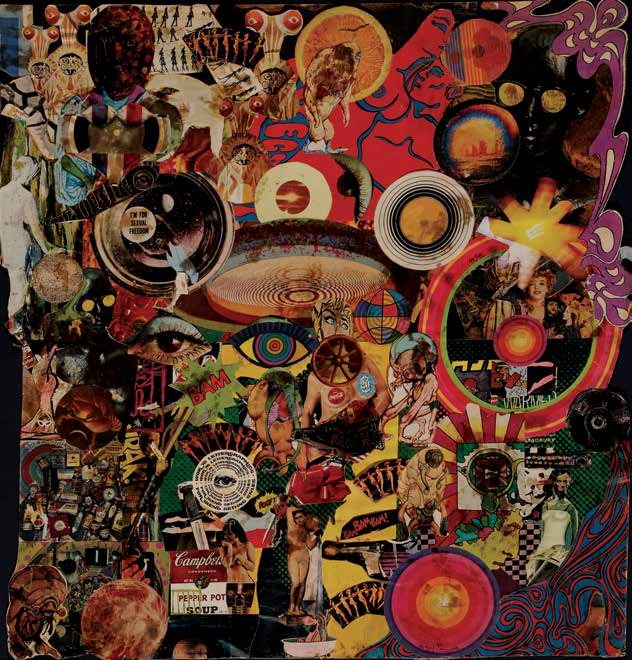
Montreal in the late 1960s: ink, collage, engraving and silkscreen.
From his first gallery show at Genesis Gallery in Montreal to his 2024 retrospective at Cheriff Tabet Gallery in Beirut, Agopian has exhibited in Beirut, Montreal, Ottawa, Toronto, Los Angeles and New York, and his work sits in public and private collections worldwide.

In Canada, the United States, Europe and the Arab world.

Beirut, Montreal, Ottawa, Toronto, Los Angeles, New York.
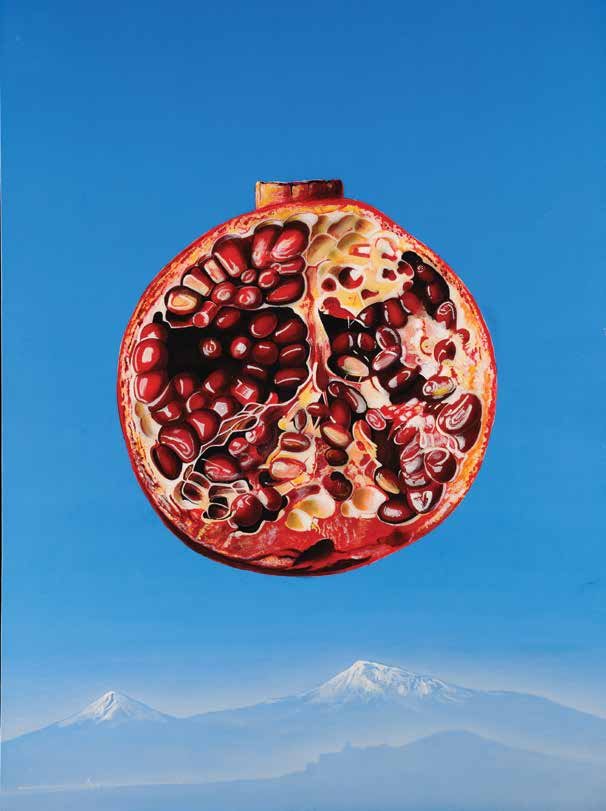

A retrospective spanning 1964 to 2024.

In France, Quebec and Lebanon.
2014–2017 · Acrylic on canvas
1995 · Acrylic on canvas
1985 · Acrylic on canvas, 61×46 cm
2013 · Acrylic on canvas, 180×103 cm
2015 · Acrylic on canvas, 106×74 cm
1996 · Mixed media on canvas
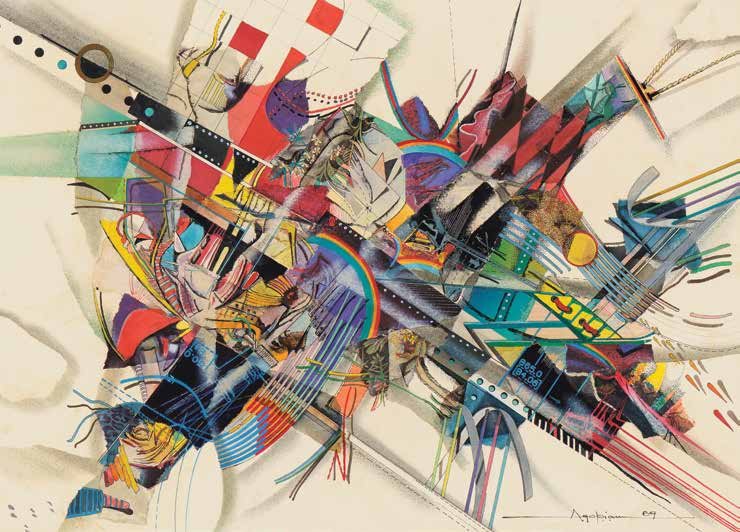
1989 · Mixed media on Arches paper
2009 · Acrylic on canvas, 96×71 cm
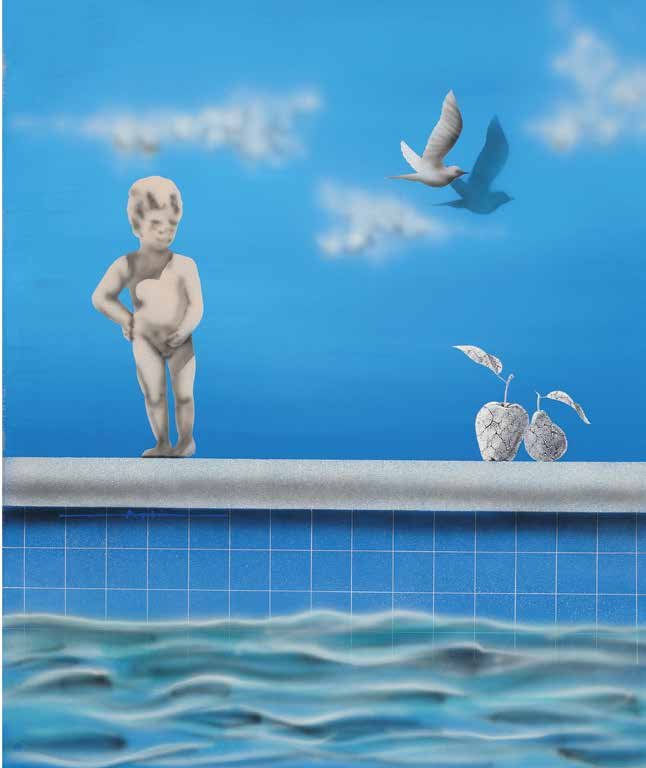
1992 · Acrylic on canvas, 76×111 cm
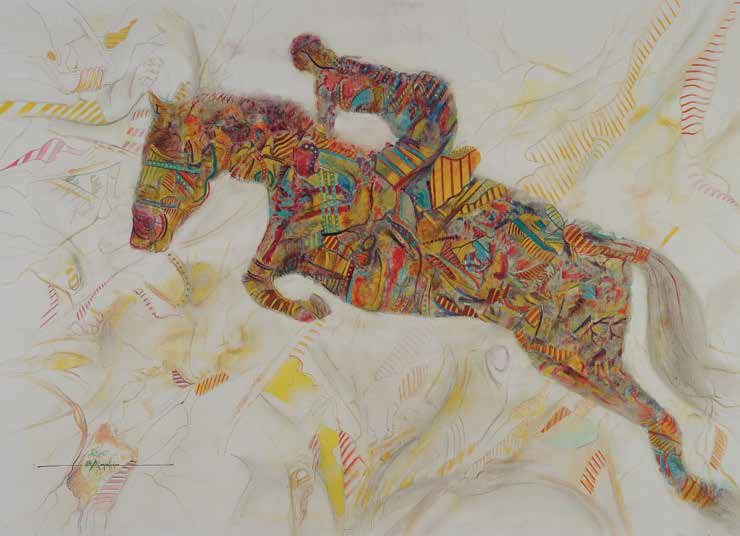
2014 · Acrylic on canvas
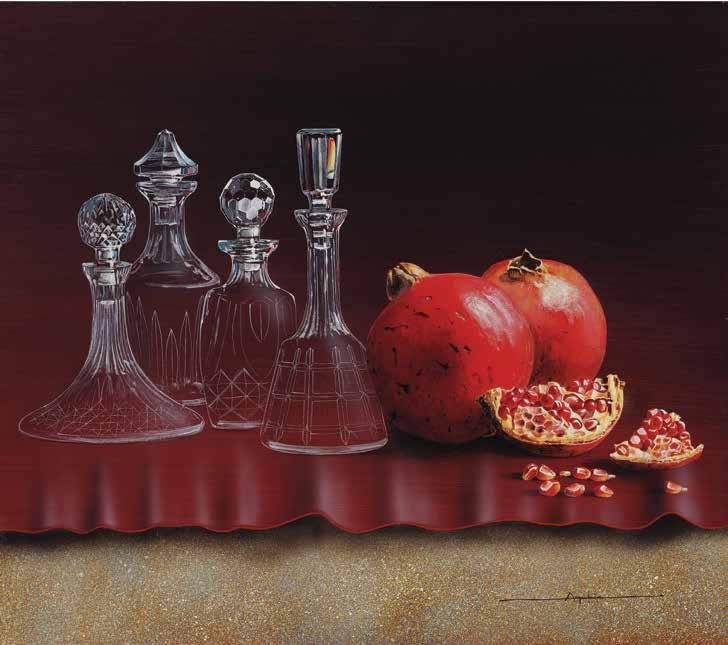
2011 · Acrylic on canvas
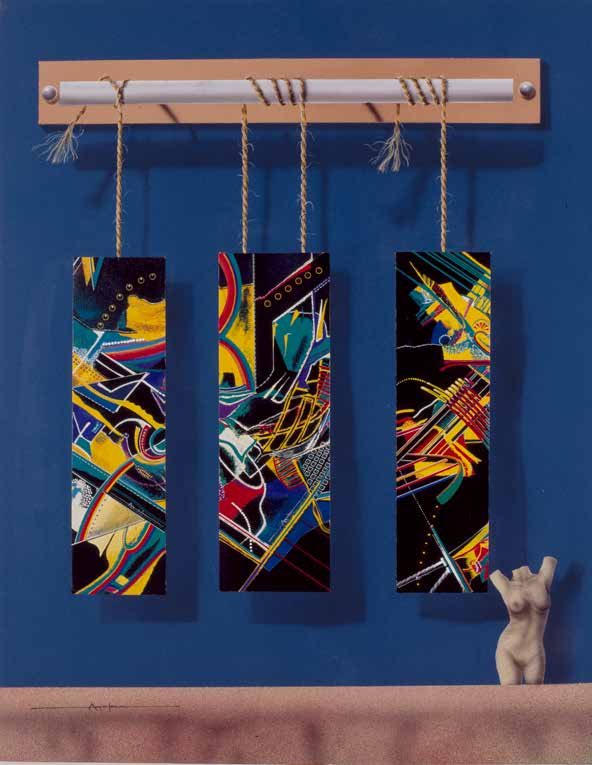
1996–1999 · Mixed media on canvas
2015 · Acrylic on canvas, 82×66 cm
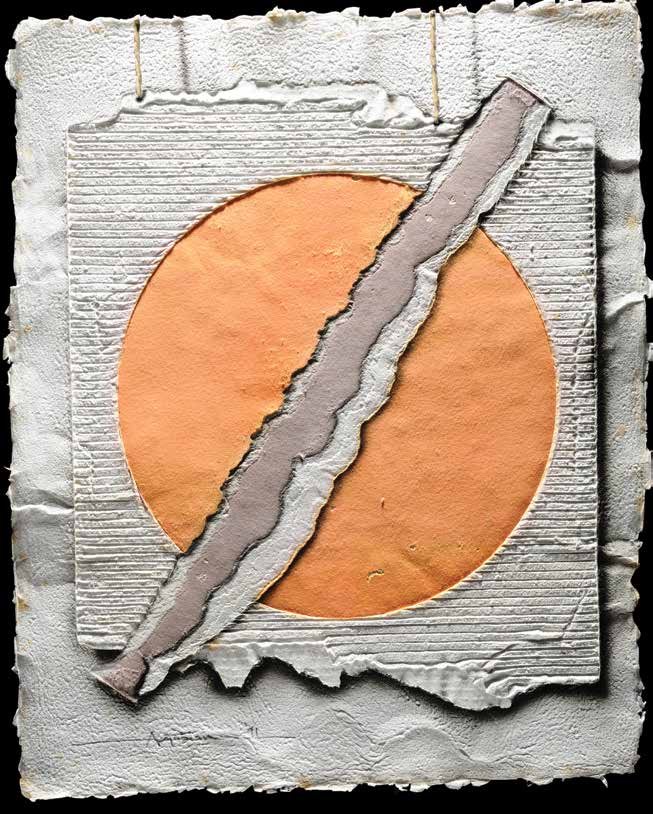
1991 · Handmade paper, 76×63 cm
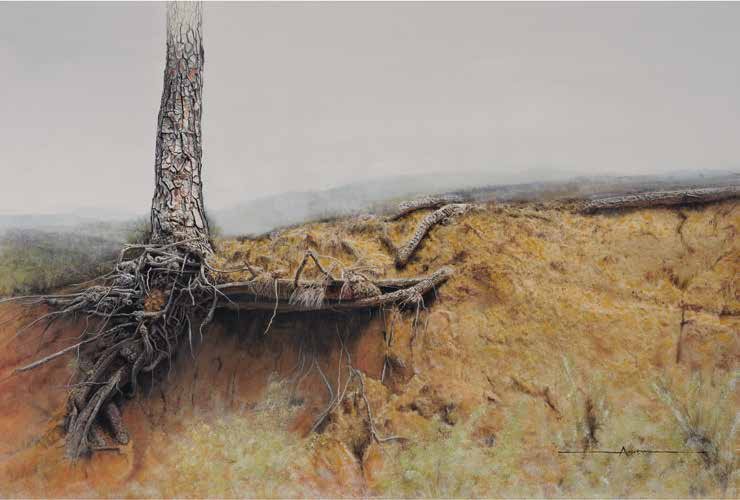
2012–2013 · Acrylic on canvas
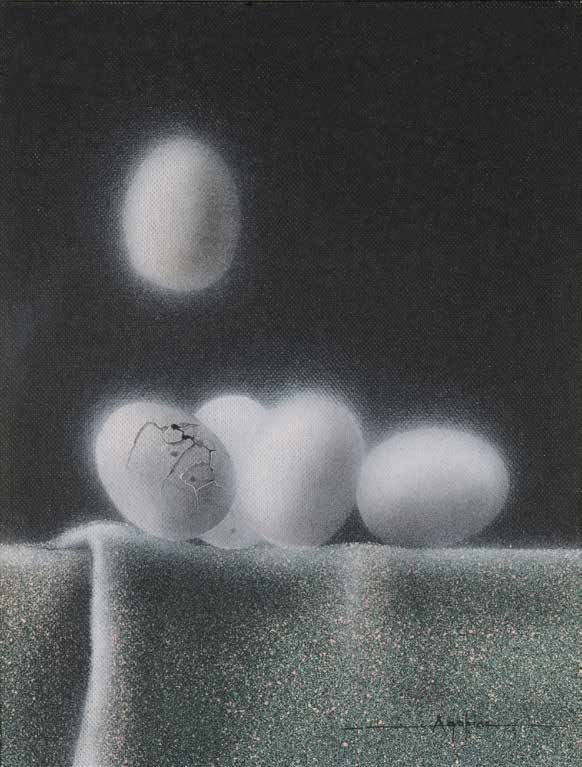
1988–1989 · Acrylic on canvas
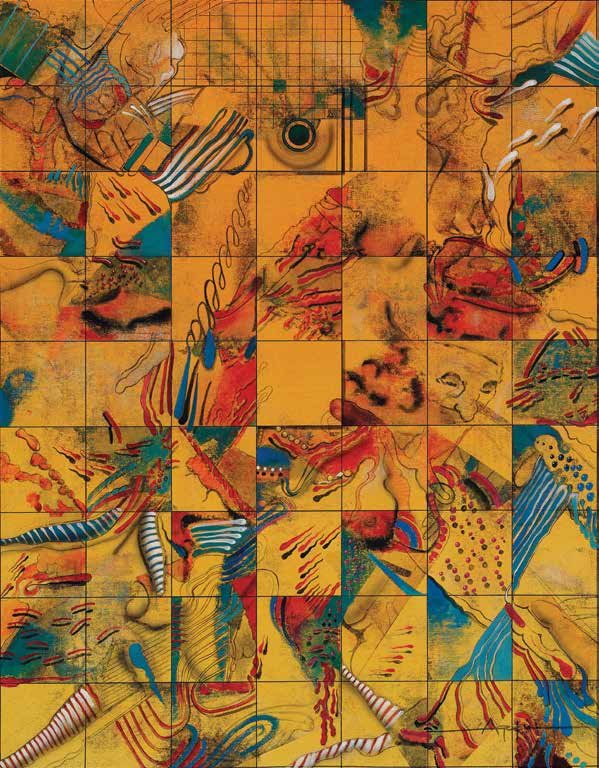
2012 · Acrylic on canvas
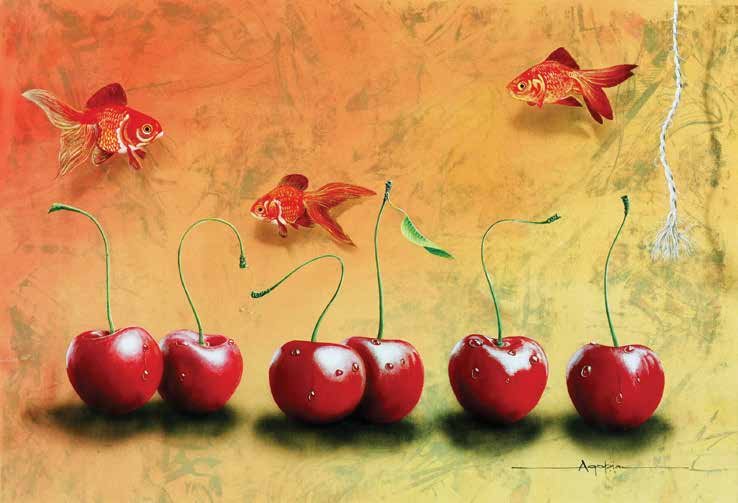
2004 · Acrylic on canvas
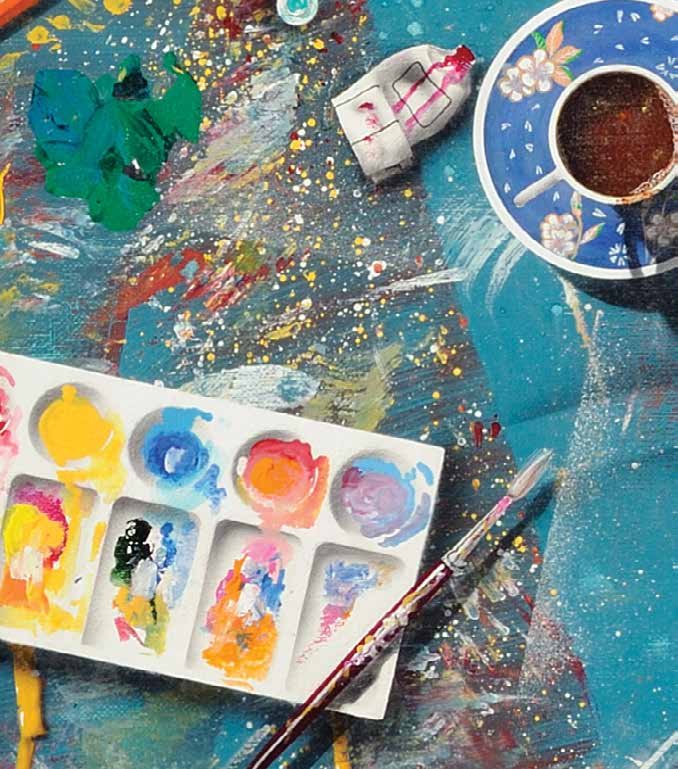
1993 · Mixed media on canvas
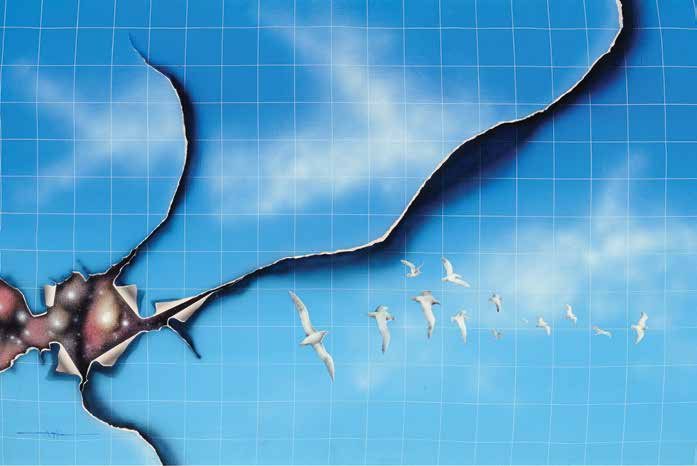
1987–1988 · Acrylic on canvas
1968 · Mixed media on board
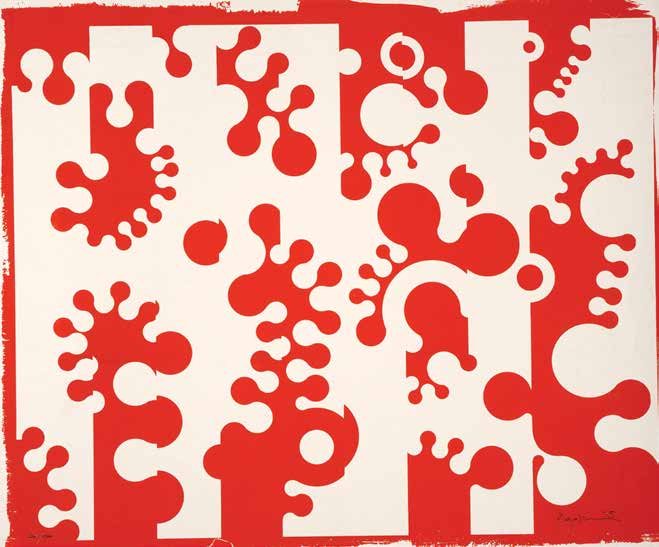
1975 · Silkscreen, edition of 6
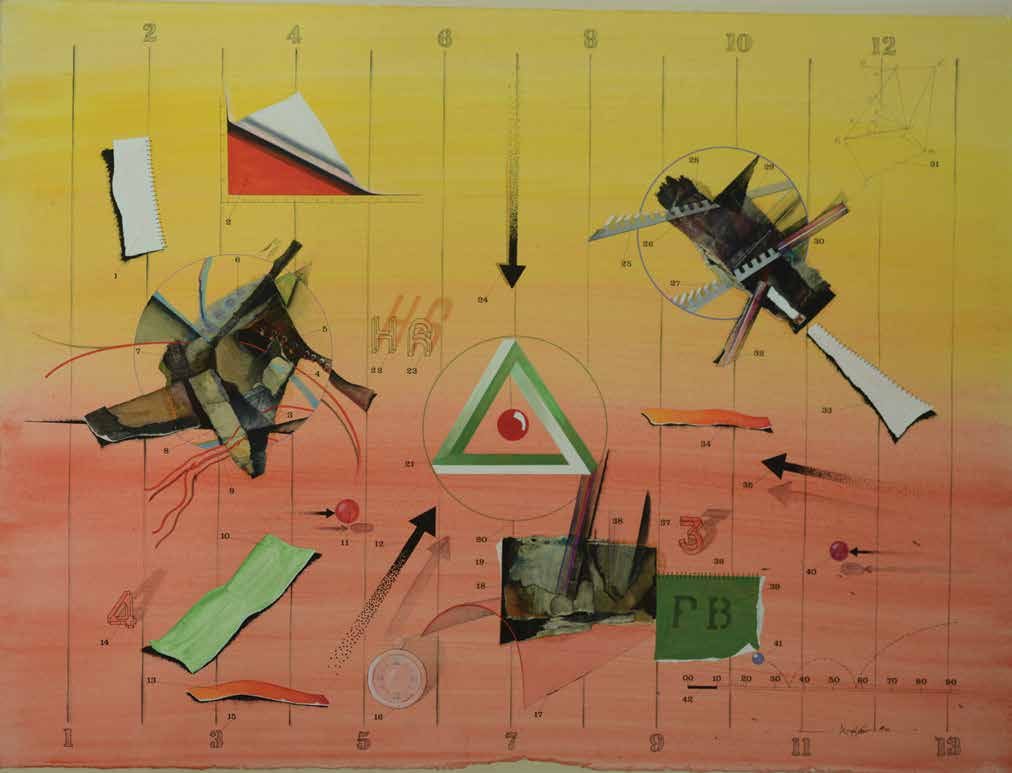
1980 · Mixed media on Fabriano paper
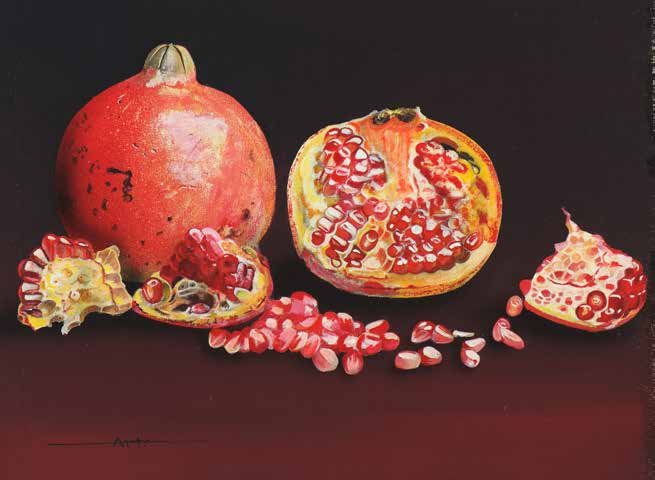
1999 · Acrylic on canvas
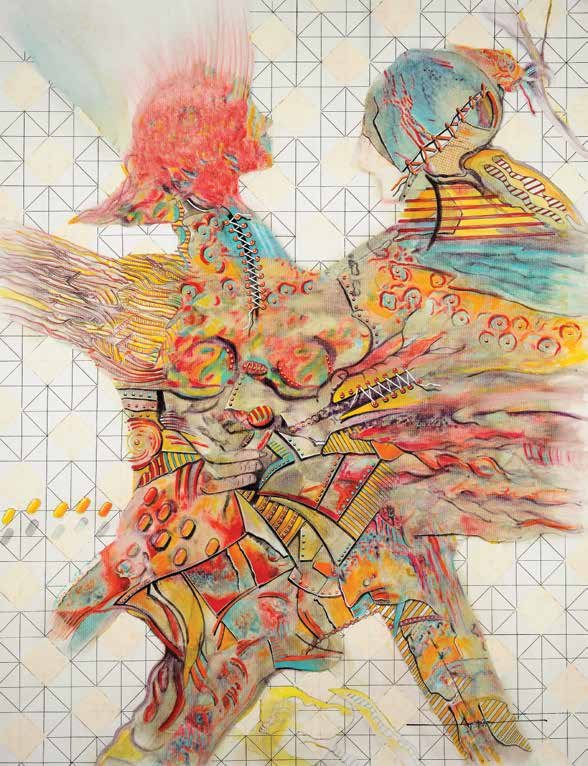
2017 · Musée Emile Hannouch, Chtaura
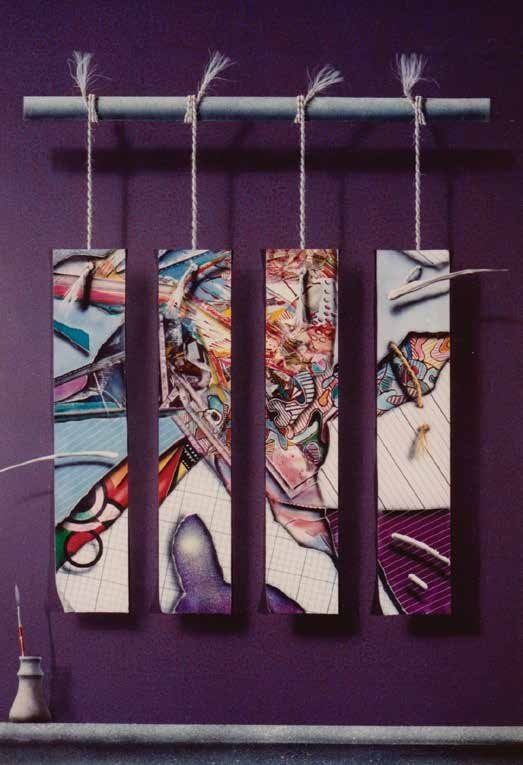
1991 · Cilicia Museum, Antelias
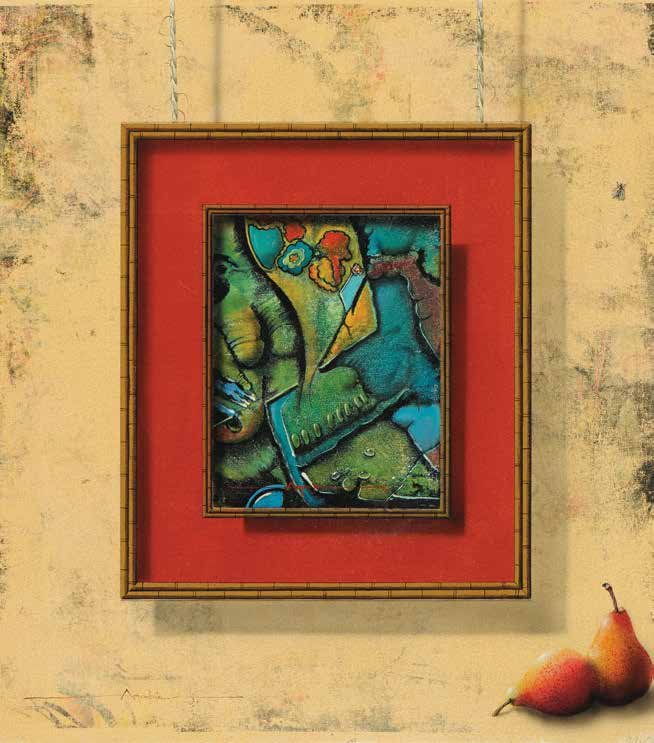
2009 · Mtein Museum of Arts, Lebanon
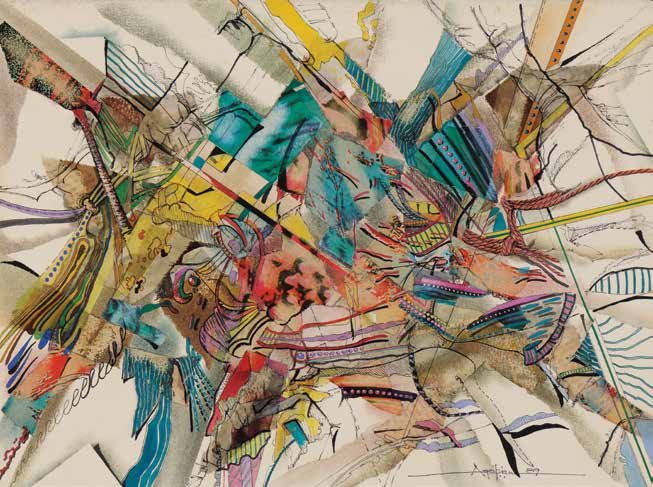
1989 · Mixed media on paper
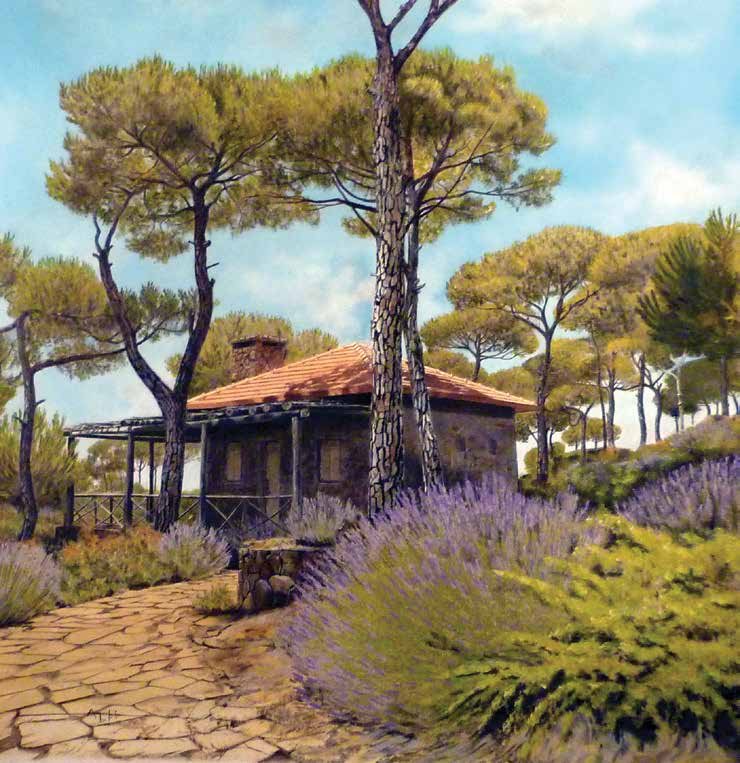
2004–2011 · Acrylic on canvas
The academic years in Montreal, pointillism, engraving, silkscreen and embossing, the reliefs, the first surrealist works and the Vénus series. With a preface by Robert Bernier.
Download PDF ·
Surrealism, handmade paper, Fruit des dieux, D’après Michel-Ange, the pine trees, horses and the Armenian, Phoenician and Arabic alphabets. Texts by Garbis Haddad and Guy Robert.
Download PDF ·